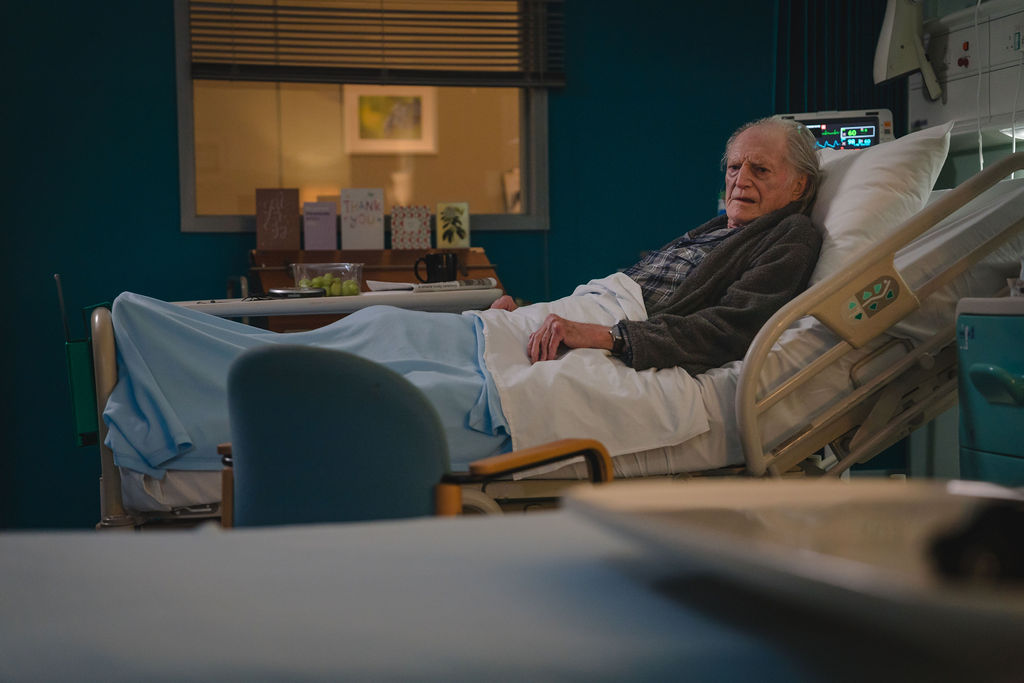
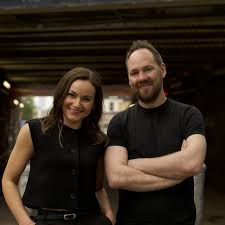
Life Goes On is a short film directed by Daniel Audritt and Kat Butterfield, who, by the way, are the nicest people ever, and that warmth translates to the film. Heart always finds its way onto the screen, so I was very happy to sit down with these two directors to talk about their short film, which follows an elderly hospice patient trapped in an infinite time loop where the day restarts every time he dies. The film premiered at the 34th Raindance Film Festival and was a total hit. And, of course, David Bradley has something to do with it. Yes, that David Bradley.
Something worth mentioning is the fact that David Bradley was the one who suggested that actress Maggie Steed be cast in this project. They have been wanting to work together for the past 40 years, and Dan told us they even talked about the fact that they would act together again once they were old. Life is funny that way.
On the other hand, Fran Bradley, David’s daughter, went to university with Daniel: “She was a year above me; we weren’t super close, but we knew each other. I was always aware of Fran because she is an incredible casting director, and unbeknownst to me, she was also keeping track of my career. I sent her an email about other projects unrelated to David, and later we started working together. We are working on different feature films at the moment, but as you know, getting them financed is very difficult, we were getting frustrated and desperate.”
“And desperate to work with David as well,” Kat adds.
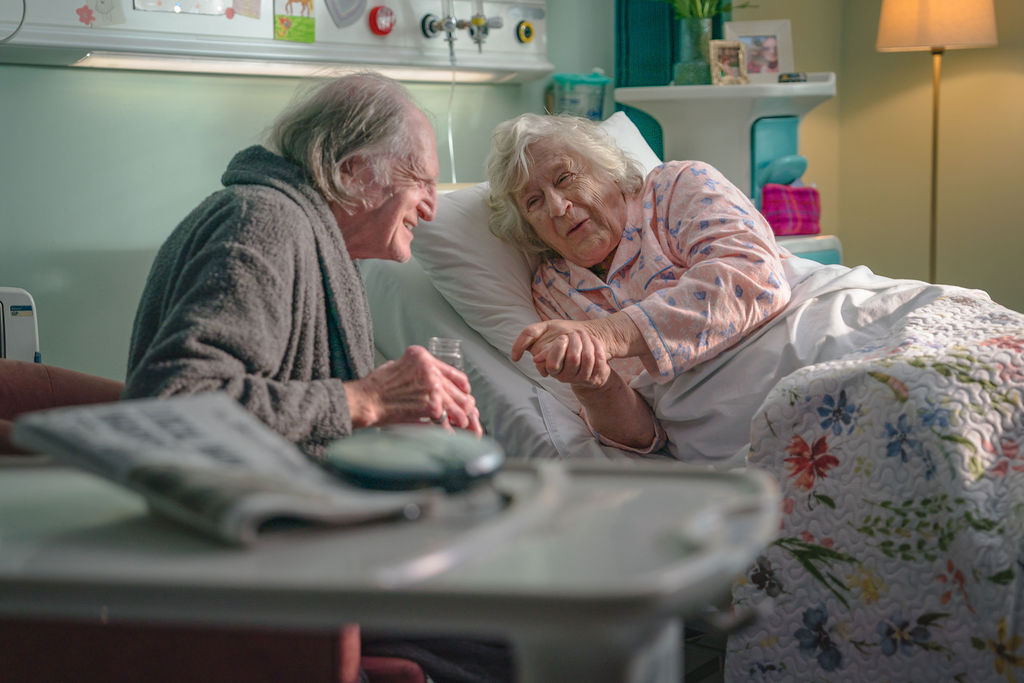
“So we thought about making the short in case the feature film wouldn’t happen. At least we would have worked with David, and also done something instead of just waiting around hoping something would get made.”, adds Dan.
David and Kat have had a long career in TV, working at Comedy Central, where they originally started working together. Kat was in marketing, but her mind was in comedy, so life brought her to Dan, and he realized how talented she is and asked her to join forces to work on sketches together.
But sketches are one thing; a feature film, or even a short film, is another ball game.
“We actually got an inheritance from relatives, each one of us, and we thought that instead of letting that money sit in the bank, we could use it to make the shift in our careers that we wanted, so we financed the short film ourselves”, says Dan.
“It’s all about creating your own opportunities,” I say.
“You should know about it.” Dan jokes. And oh man, I do.
Forget about not putting your own money into your own movie, sometimes you’ve got to. These two took the opportunity, and the result is simply divine.
The idea for the short came because Kat was working in a hospice within the marketing team, and she came to the realisation that these places are not how they are depicted in movies most of the time, they are warm, friendly places, and there’s joy and laughter. “I’ve never seen a comedy taking place in a hospice, so I thought that was an interesting area to choose, and I started thinking about what if those people on their beds were getting visits from people they don’t really want to see.”
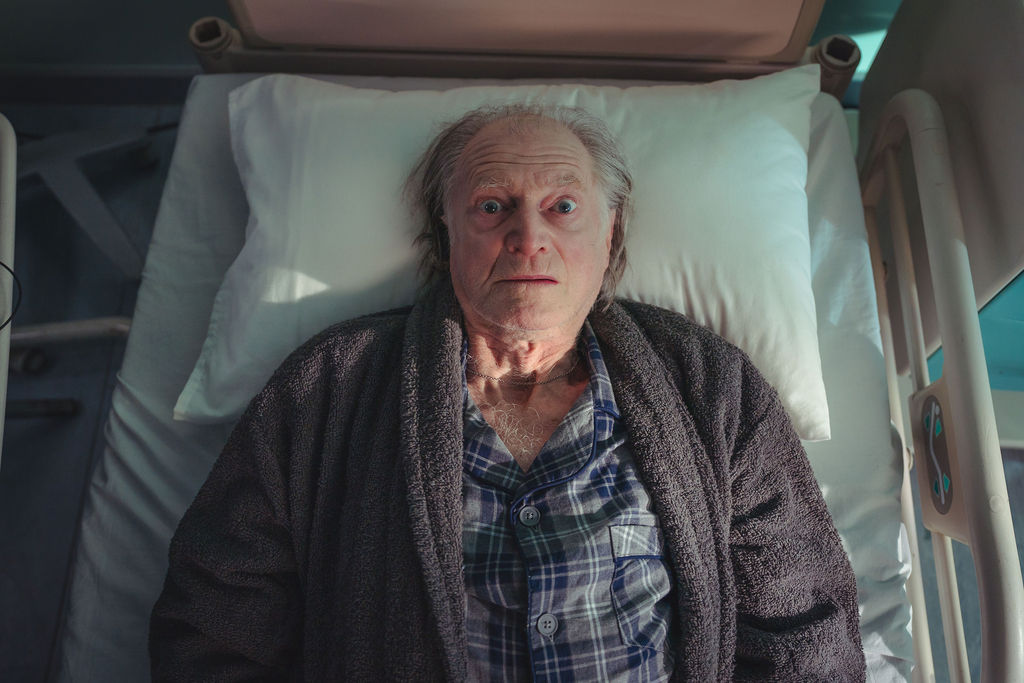
And immediately, we all started laughing when she said that. I mean, it is funny, and this is one of the key situations in the film.
I then asked: “There are a lot of time loop movies. What do you think is different in yours?”
Kat says, “I think it’s the fact that it’s set in such a dark moment. It’s audacious.”
Dan continues, “I think it’s also the fact that most of these movies use the time loop to make life better afterwards. In this case, there’s no more time or life left.”
“It’s about giving the character a good death, instead of a good life,” says Kat.
While watching the movie, one of the things that always came to my mind was how difficult it was to shoot the repetition of things and make it rather enjoyable than repetitive.
“You are actually the first person to ask us that, and it was actually one of the most difficult things in filming the movie,” says Dan. “We thought it was going to be easy just to repeat, but how do you make all the shots different at the same time? It was very challenging, especially because the main character is in the same place 95% of the time. We used different camera movements each time, we shot everything in a different way every time, and we would play with different shots. We have an amazing director of photography who helped us, of course; it was almost like shooting a music video, it was definitely challenging”.
In the end, Life Goes On stands out not only for its bold concept and emotional setting, but also for the clear sense of collaboration, risk, and heart behind it. A reminder that sometimes the most personal stories come from simply deciding to make them happen.